
10 Descriptive Writing Prompts for 11+ Exam Practice
Provide ten original descriptive writing prompts focused on settings and atmospheres rather than stories. Each prompt should specify a location, a time of day, and a mood to capture. After the prompts, include guidance on how descriptive writing differs from narrative: there is no plot, no character development needed, just vivid sensory immersion. Explain how to structure a descriptive piece: open with the dominant sense, layer in details, build to a final image or feeling. Write in a supportive voice that treats descriptive writing as a skill worth mastering.
In this article
What Makes Descriptive Writing Different
When the 11+ exam offers a descriptive writing option, many pupils make the same mistake: they start telling a story. A character appears. Events unfold. Before long, the description has become a narrative with a thin layer of adjectives on top.
Descriptive writing is its own skill. Your job is to immerse the reader in a place and a feeling. Think of it as painting with words. Every sentence adds a brushstroke. By the end, the reader should be able to close their eyes and see your scene, hear it, smell it.
That's what these ten prompts are designed to help you practise.

Ten Descriptive Writing Prompts
1. A Railway Platform Before Dawn
Time: 5:30 a.m., still dark. Mood: watchful, expectant. Focus on the cold, the silence, and the distant rumble of an approaching train.
2. A Street Market at Midday
Time: Noon, blazing summer sun. Mood: chaotic, alive. Let the noise, colour, and heat overwhelm the senses.
3. A Greenhouse in Winter
Time: Late afternoon. Mood: warm, protected, slightly magical. Contrast the frost outside with the damp, green warmth within.
4. A Beach After a Storm
Time: Early morning. Mood: bruised but beautiful. Describe what the storm left behind: driftwood, tangled seaweed, an eerie calm.
5. A Museum Hall at Closing Time
Time: 4:55 p.m. Mood: quiet, faintly unsettling. Let the empty gallery feel like it's watching you.
6. A City Street After Rain
Time: Evening. Mood: reflective, peaceful. Use puddles, neon reflections, and the clean smell of wet stone.
7. A Football Pitch Under Floodlights
Time: Night. Mood: electric, intense. Build energy through light, sound, and the feel of cold air on warm skin.
8. A Hospital Waiting Room
Time: Late at night. Mood: anxious, still. Let small details reveal the tension: a ticking clock, plastic chairs, half-drunk coffee.
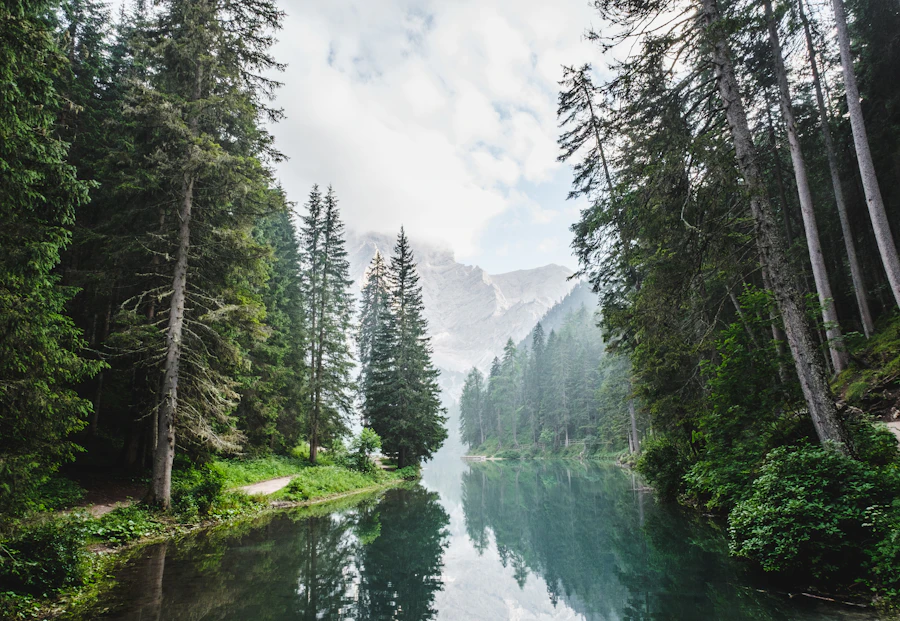
9. A Forest Path in Early Autumn
Time: Mid-morning. Mood: peaceful, gently melancholy. Show the season changing through texture, scent, and colour.
10. A Rooftop View at Sunset
Time: Golden hour. Mood: expansive, wondering. End with one image that lingers after the reader looks away.
How to Structure a Descriptive Piece
Without a plot to guide you, descriptive writing can feel shapeless. Here's a simple structure that works every time:
- Open with the dominant sense. What hits you first when you step into this scene? If it's a market, maybe it's the noise. If it's a forest, maybe it's the smell of damp earth. Lead with whatever is strongest.
- Layer in other senses. Add sight, touch, taste, and any remaining senses gradually. Weave them into the scene rather than listing them. For detailed guidance, see our article on using the five senses.
- Build towards a final image or feeling. Your last sentence should land with weight. A single, powerful image that captures the whole mood of the piece is a strong way to finish.
Think of it like a camera slowly zooming in: wide shot, medium shot, close-up. Start broad and end on something specific and memorable.
Choosing Your Dominant Sense
Most pupils default to sight. That's natural, but it means a lot of 11+ descriptive pieces read the same way: colour after colour after colour, with no variation.
Try leading with a different sense:
- Sound first: "The market hit you before you saw it. A wall of noise: traders calling, a busker's guitar fighting with the rattle of a passing bus, and somewhere a child shrieking with laughter."
- Smell first: "The greenhouse smelled of damp soil and something sweeter, like jasmine, though no jasmine was in bloom."
- Touch first: "The rain had stopped, but the bench was still cold and slick beneath her fingers."
Starting with an unexpected sense immediately sets your writing apart. The examiner notices because it feels different from everything else they've read that day.
Common Mistakes in Descriptive Writing
- Listing senses like a checklist. "I could see the trees. I could hear birds. I could smell flowers." This isn't descriptive writing. It's a shopping list. Weave your senses into the atmosphere naturally.
- Drifting into story. The moment a character starts having a conversation or solving a problem, you've left descriptive writing behind. One or two actions are fine. A full plot isn't.
- Using vague adjectives. "Nice," "lovely," "big," and "pretty" don't paint pictures. Be specific. What kind of big? What makes it lovely? See our article on ambitious adjectives for precise alternatives.
- No mood. A description without a mood is just a list of things. Decide on your mood before you start writing and make every detail point in that direction.
Timed Practice Routine
Set a timer for fifteen minutes and choose one prompt from the list above.
- Minute 1: Write three words — your mood, your dominant sense, and your final image.
- Minutes 2-12: Write your description, aiming for three to four paragraphs.
- Minutes 13-15: Read through. Replace any vague words with specific ones. Check that at least three senses appear.
Do this once or twice a week. Over time, you'll find that reaching for multiple senses becomes second nature, and your descriptions will have a richness that flat, sight-only writing simply can't match.
Frequently Asked Questions
Stay Updated with PenLeap
Get the latest tips on creative writing, 11+ exam preparation, and AI-powered learning straight to your inbox. Join thousands of parents and students.
Subscribe to NewsletterFree • No spam • Unsubscribe anytime
Ready to Improve Your Writing?
Get instant AI feedback on your 11+ creative writing. Join thousands of students already using PenLeap.
Start FreeNo credit card required • Free to start